
The allure of gambling: Understanding the basics
The thrill of gambling has captivated individuals for centuries, drawing them into casinos with promises of excitement and potential wealth. This allure is often tied to the psychological principles of reward systems, where the brain releases dopamine during wins, creating a pleasurable experience that encourages repeated behavior. The anticipation of winning, even if only occasionally, fosters hope and excitement among patrons, leading them to return for more. For more insights on this topic, visit link.

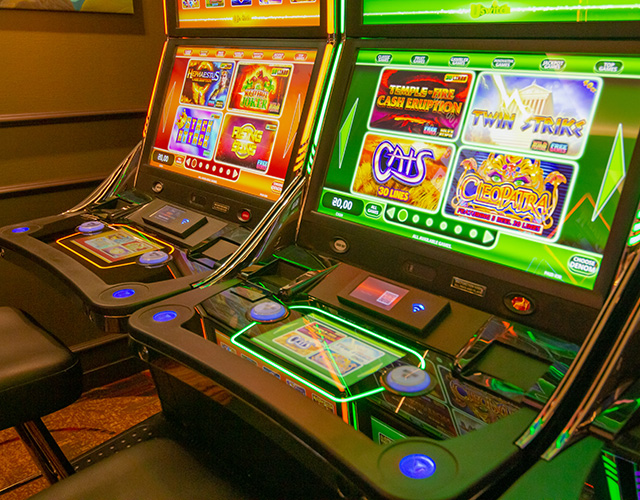
Moreover, the design of casinos themselves plays a crucial role in enhancing this allure. With bright lights, vibrant colors, and enticing sounds, casinos are engineered to create an immersive environment that captivates the senses. This controlled atmosphere can manipulate a gambler’s emotions, further fueling their desire to engage in gaming activities.
Addiction and its psychological roots
Gambling can escalate from a mere pastime to a compulsive behavior, leading some individuals into the grips of addiction. Psychological factors, such as impulsivity and a need for excitement, often contribute to this transition. Those who struggle with impulse control may find it particularly difficult to resist the temptation of gambling, as they seek immediate gratification from the experience.
Furthermore, the development of gambling addiction is often linked to underlying mental health issues, such as anxiety or depression. Individuals may turn to gambling as a coping mechanism, using it to escape from their problems or to fill a void in their lives. This complex interplay between gambling and mental health highlights the need for awareness and understanding of the psychological factors that contribute to gambling habits.
The role of social influences
Social factors also play a significant role in shaping gambling habits. The presence of peers or family members who engage in gambling can normalize the behavior and encourage individuals to participate. This social reinforcement can lead to an increased frequency of visits to casinos, where the atmosphere can enhance the communal experience of gambling.
Additionally, professional gamblers often portray a glamorous lifestyle, further enticing others to try their luck in casinos. This portrayal can create unrealistic expectations about the potential for success, leading many to disregard the associated risks and dangers of gambling. As a result, individuals may find themselves drawn into the gambling world, motivated by both social dynamics and the allure of wealth.
Strategies for responsible gambling
Understanding the psychological underpinnings of gambling can aid in the development of strategies for responsible gaming. By recognizing the signs of problematic behavior, individuals can take proactive steps to manage their gambling habits. Setting strict budgets, limiting time spent in casinos, and seeking support from friends or professionals can be beneficial in curbing excessive gambling.
Moreover, empowering individuals with education about the odds of different games and the risks involved can promote informed decision-making. By fostering a realistic perspective on gambling, individuals can enjoy the experience while minimizing the potential for addiction or financial harm.
Navigating access and support
In today’s digital age, it’s also important for individuals seeking information about gambling and its psychological aspects to have access to reliable resources. Many websites offer valuable insights and guidance on responsible gambling practices, which can help users navigate their experiences in casinos more safely. These platforms emphasize the importance of clarity and support for those facing gambling-related challenges.
Furthermore, accessing support can be essential for anyone struggling with their gambling habits. Understanding that help is available, whether through hotlines, therapy, or community support groups, can empower individuals to make positive changes in their lives. As the conversation around gambling evolves, maintaining open channels of communication and access to information will be critical in promoting healthier gambling habits.